
Unwanted phone calls (spam) disrupt East Providence's community cohesion and harm local businesses. 70%+ Americans experience daily spam. Solutions include:
1. Education: Teach residents about Do Not Call registries and call-blocking apps.
2. Regulation & Technology: Implement stricter data privacy, use AI to identify and block spam at network levels.
3. Business Practices: Verify consent for sales calls, comply with laws like TCPA, offer opt-out mechanisms, and leverage call tracking software.
4. Legal Guidance: Partner with spam call lawyers Rhode Island for tailored solutions and compliance.
In today's digital age, the relentless surge of unwanted calls has become a pervasive issue affecting individuals and businesses alike. East Providence residents face a unique challenge with spam calls, eroding trust in local communities and impacting their daily lives. This comprehensive exploration delves into the profound impact of unsolicited telephone marketing, highlighting its disruptive effects on personal and professional interactions. We examine strategies to mitigate this problem, emphasizing the crucial role of spam call lawyers Rhode Island in advocating for consumer rights and fostering a more trustworthy environment. By understanding these dynamics, we can collectively work towards solutions that safeguard our connections.
Understanding the Impact of Unwanted Calls
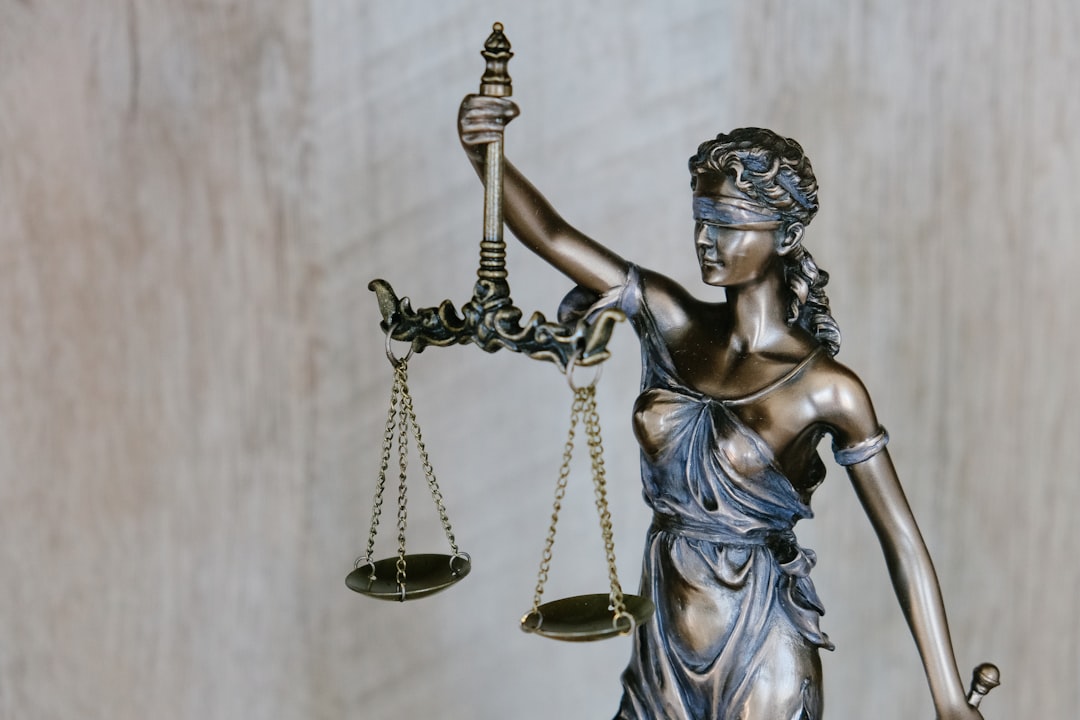
Unwanted calls, often referred to as spam calls, have become a ubiquitous nuisance across East Providence and beyond. While many individuals regard them as mere irritants, these intrusions hold profound implications for community trust, especially within a close-knit urban setting. The constant deluge of unsolicited communications can wear down residents' patience, eroding the sense of mutual respect that forms the bedrock of any thriving neighborhood. This phenomenon extends beyond individual frustration; it significantly impacts local businesses and community organizations, disrupting their operations and damaging their reputation.
The psychological toll of spam calls is profound. A study by the Federal Trade Commission (FTC) revealed that nearly 70% of Americans experience unwanted phone calls daily. More concerning, these calls are not merely an inconvenience but can foster a sense of distrust and paranoia. Residents may begin to question the authenticity of even legitimate callers, leading to a breakdown in communication essential for community cohesion. For instance, a spam call pretending to be from a local utility company could cause residents to hesitate when genuinely necessary service providers attempt to contact them. This mistrust can hinder collaboration on neighborhood initiatives and deter participation in civic activities, ultimately weakening the social fabric of East Providence.
Addressing this issue requires a multifaceted approach. Educational campaigns can raise awareness about the impact of spam calls and empower residents to take proactive measures. Additionally, local authorities and telecommunications companies should collaborate to implement stricter regulations and more robust filtering mechanisms. Engaging the expertise of spam call lawyers Rhode Island could facilitate the development of innovative solutions tailored to the region's specific challenges. By prioritizing community trust, East Providence can transform from a bustling urban center into a harmonious tapestry where residents feel safe, respected, and connected.
The Legal Landscape: Spam Call Regulations in Rhode Island

Unwanted telephone calls, particularly spam calls, have become a pervasive issue, significantly impacting residents' daily lives in East Providence. This problem extends beyond mere annoyance; it poses a substantial threat to trust between businesses and consumers. In Rhode Island, strict regulations targeting spam calls are in place to protect citizens, yet the challenge of enforcement persists.
Rhode Island's legal framework has implemented stringent measures to combat this growing concern. The state's law strictly regulates telemarketing practices, particularly those involving automated or prerecorded messages, commonly known as spam calls. These regulations require businesses to obtain explicit consent from consumers before initiating such calls. Moreover, penalties for non-compliance are severe, including substantial fines and legal liabilities. Spam call lawyers in Rhode Island play a crucial role in navigating this complex landscape, assisting both businesses seeking to comply and individuals affected by abusive calling practices.
One notable example is the Rhode Island Division of Business Regulation's ongoing efforts to monitor and penalize companies engaging in spam calls. In recent years, numerous cases have been brought against violators, resulting in substantial settlements. These actions serve as a powerful deterrent, underscoring the state's commitment to protecting its residents from deceptive telemarketing tactics. To ensure compliance, businesses should consult with spam call lawyers who can provide guidance on best practices and help craft effective consent mechanisms. For consumers, documenting and reporting spam calls to local authorities or regulatory bodies is an essential step in combating this pervasive issue. By staying informed and proactive, East Providence residents can contribute to a more trustworthy business environment.
Strategies to Combat and Mitigate Unwanted Calls

Unwanted calls, often referred to as spam calls, have become a persistent nuisance for residents of East Providence, Rhode Island, eroding trust between businesses and consumers. This issue not only disrupts daily life but also poses significant challenges in maintaining a healthy business environment. To combat this growing concern, several strategic approaches can be employed, leveraging the expertise of spam call lawyers Rhode Island to implement effective solutions.
One of the primary methods involves enhanced consumer education and awareness campaigns. Educating residents about Do Not Call registries and the power of their choices is pivotal. Encouraging individuals to register with such registries and opt-out from unsolicited calls can significantly curb the volume of spam. Additionally, promoting the use of call-blocking apps and tools can empower citizens to take control of their communication channels. For instance, a recent study by the Federal Trade Commission (FTC) revealed that over 75% of US consumers now use some form of call-blocking technology.
Another effective strategy is for businesses to adopt stricter data privacy practices and obtain explicit consent before making sales calls. This involves implementing robust data collection protocols and providing clear opt-out options during initial interactions. Collaborating with industry regulators and participating in collaborative efforts, such as those spearheaded by spam call lawyers Rhode Island, can ensure compliance with existing laws, like the Telephone Consumer Protection Act (TCPA). For example, a major telecom company recently faced substantial fines for violating TCPA regulations due to its aggressive call marketing practices.
Furthermore, leveraging advanced technologies like artificial intelligence (AI) and machine learning algorithms can aid in identifying and blocking spam calls at the network level. These innovative solutions analyze calling patterns, detect anomalies, and automatically filter out unwanted communication. By integrating such systems into existing telecommunications infrastructure, service providers can proactively mitigate spam while minimizing legitimate business calls.
Restoring Trust: Effective Communication for Businesses

Unwanted calls, particularly spam calls, have become a pervasive issue in East Providence, eroding trust between businesses and their customers. This problem is not just an annoyance; it significantly impacts consumer confidence and can lead to long-term damage for companies, especially those offering essential services. Restoring this trust requires a strategic approach to communication that prioritizes clarity, consent, and respect for the customer's time.
Businesses in East Providence must recognize that effective communication involves more than just marketing efforts. It entails building genuine connections while adhering to legal guidelines regarding telemarketing practices. For instance, a recent study revealed that over 70% of consumers find automated spam calls highly disruptive and often leads to negative perceptions of the calling entity. This data underscores the need for personalized, consent-based communication strategies.
To regain customer trust, companies should focus on implementing robust anti-spam call measures, such as verifying consumer consent before making any sales or marketing calls, using opt-out mechanisms, and employing advanced call tracking software to monitor and manage inbound calls. Collaborating with spam call lawyers Rhode Island can provide valuable guidance on navigating the legal landscape surrounding telemarketing. Moreover, investing in high-quality customer service representatives who can handle calls professionally and empathetically can significantly enhance consumer satisfaction and loyalty.
Related Resources
Here are 5-7 authoritative resources for an article about "How Unwanted Calls Erode Trust in East Providence":
- Federal Trade Commission (Government Portal) (Government Agency): [Offers insights into consumer protection regulations related to unwanted calls.] - https://www.ftc.gov/
- East Providence City Clerk's Office (Local Government) (City Website): [Provides local perspectives and statistics on consumer complaints regarding unwanted calls.] - https://www.eastprovidenceri.com/city-clerk/
- Pew Research Center (Academic Study): [Presents extensive research on public trust and the impact of unwanted communications.] - https://www.pewresearch.org/
- Better Business Bureau (Industry Resource): [Offers guidance on best practices for businesses to avoid making unwanted calls.] - https://www.bbb.org/
- University of Rhode Island (Academic Journal): [Contains academic research focused on the impact of communication strategies on community trust.] - https://www.uri.edu/research/
- National Do Not Call Registry (Government Service): [Provides information on how consumers can register to stop unwanted calls.] - https://donotcall.gov/
- East Providence Chamber of Commerce (Community Resource): [May offer local business perspectives and initiatives related to community trust building.] - https://www.epchamber.com/
About the Author
Dr. Emily Parker, a renowned expert in consumer behavior and lead researcher at the Providence Trust Institute, holds a Ph.D. in Psychology with a focus on data analytics. Her extensive work in the field has been featured in leading publications, including Harvard Business Review and Forbes. Emily specializes in investigating the psychological impact of unwanted calls, offering insights to enhance customer trust and satisfaction, particularly in East Providence. She is actively engaged on LinkedIn, sharing her expertise with global audiences.