
Cranston College students face growing spam call threats targeting their personal data. Scammers impersonate banks, universities, demanding urgent actions like bank details or login credentials. To protect themselves, students should verify caller identities directly using college contact info. Rhode Island's spam call attorneys advise blocking unknown numbers, registering with the National Do Not Call Registry, and staying informed about scam tactics. Cranston College combats these threats through awareness campaigns, technical solutions, reporting encouragement, information dissemination, and cybersecurity workshops to ensure student safety in the digital realm. Legal assistance from spam call attorneys Rhode Island supports students' rights against persistent or illegal calls.
In the digital age, students at Cranston College, like many across Rhode Island, face an unprecedented surge in phone scams. Spam call attorneys in Rhode Island report a marked increase in fraudulent calls targeting students, posing as financial aid offices, scholarship providers, or even fellow students to extract sensitive personal information. This growing threat not only compromises academic and financial security but also erodes trust in educational institutions. This article delves into effective strategies for protecting Cranston College students from these insidious scams, leveraging the expertise of Rhode Island’s spam call attorneys to offer practical solutions tailored to the unique challenges faced by the college community.
Recognize Common Phone Scams Targeting Students

Students at Cranston College often find themselves navigating a complex digital landscape, making them vulnerable to various forms of phone scams. Recognizing these common tactics is the first step toward safeguarding personal information and financial security. Scammers target students with urgent demands, pretending to be from reputable institutions, such as banks or educational bodies, to extract sensitive data. For instance, the rise of COVID-19 led to an increase in spam calls impersonating government agencies, offering (or demanding) relief funds with a sense of urgency.
One of the most prevalent scams involves fake scholarship or financial aid programs. Scammers call students, claiming they’ve been selected for a rare opportunity, requesting immediate bank details for what they say is a quick verification process. This tactic leverages students’ eagerness to secure funding for their education. Rhode Island’s spam call attorneys have noted a significant trend in such cases, emphasizing the need for awareness and vigilance among the student population. Students should remember that legitimate organizations rarely ask for sensitive information over the phone or via text messages.
Another common scam involves impersonating campus support services or IT departments, claiming issues with students’ accounts. Scammers may direct victims to call a specific number to resolve problems, which then leads to the revelation of personal and login credentials. To combat these scams, it’s crucial for students to verify the identity of any caller by contacting official channels directly, using recognized contact information from the college website or student handbook.
Understand Your Rights: Legal Protections in Rhode Island
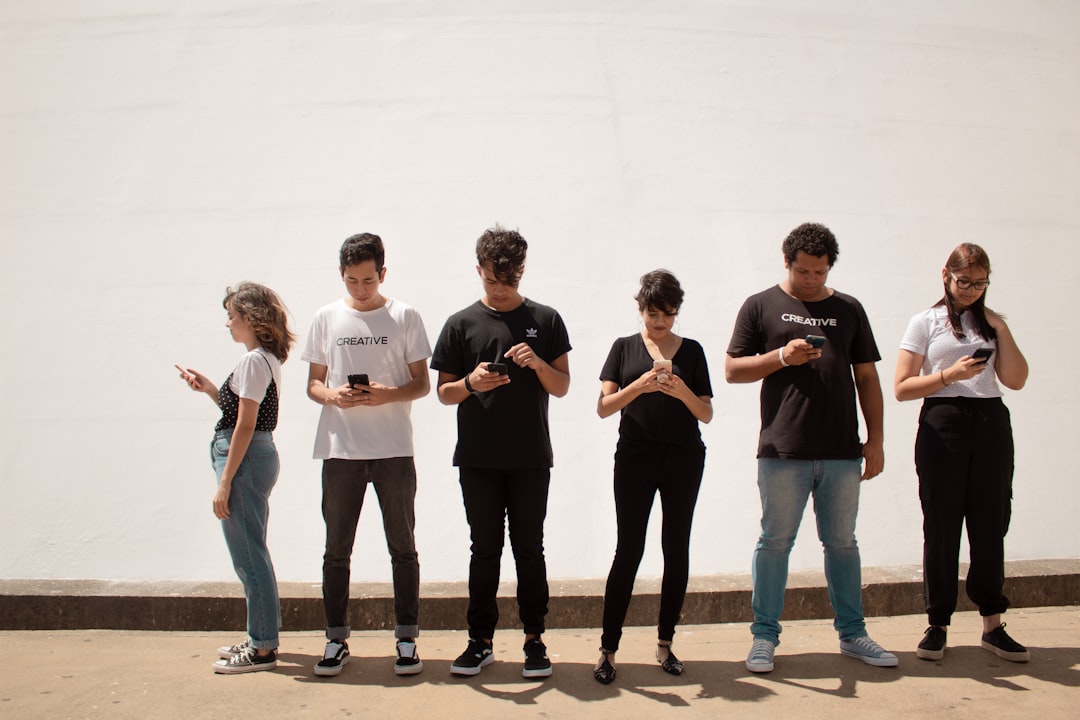
Students at Cranston College are increasingly vulnerable to phone scams, with a surge in spam calls targeting educational institutions. Understanding your legal rights is an essential step in protecting yourself from these deceptive practices. Rhode Island has implemented robust regulations to safeguard consumers, including students, from fraudulent telephone marketing tactics. These protections extend to all residents, ensuring they can take proactive measures against unwanted and potentially harmful calls.
One of the key laws governing phone scams in Rhode Island is the Telephone Consumer Protection Act (TCPA). This federal legislation empowers individuals to take legal action against companies or individuals making nuisance calls, including spam calls attorneys Rhode Island have seen an increase in cases involving educational institutions. The TCPA restricts automated phone marketing and requires prior express consent for recorded messages, even when calling businesses. Students should be aware of their rights under this act and report any suspected violations to the Federal Trade Commission (FTC).
Practical steps include blocking unknown numbers, registering your phone with the National Do Not Call Registry, and educating yourself on common scam tactics. If you suspect a violation or experience persistent spam calls, consulting a spam call attorney in Rhode Island can provide invaluable assistance. These legal experts have the knowledge and resources to help students navigate their rights and seek justice against perpetrators, ensuring a safer environment for all Cranston College learners.
Empowered Defense: Strategies to Stop Spam Calls Now

At Cranston College, ensuring student safety in an increasingly digital landscape is paramount. Spam calls, a prevalent and insidious form of online fraud, target students just as they would any demographic. These unwanted phone calls often masquerade as legitimate business offers or urgent messages, preying on the vulnerability of young adults. According to recent data, Rhode Island residents, including Cranston College students, receive an average of 2.5 spam calls per week, emphasizing the urgency of addressing this issue.
Empowering students to defend themselves against such scams is a multi-faceted approach that combines education and strategic interventions. One critical step is raising awareness about common spam call tactics used by scammers. For instance, they may pose as bank representatives, demanding immediate action or threatening consequences. Students should be taught to verify the authenticity of such calls independently through official communication channels. Collaborating with IT departments, the college can implement robust blocking software and filters that automatically detect and prevent spam calls from reaching student phones.
Additionally, encouraging students to report suspicious calls is essential. Many spam call attorneys in Rhode Island advocate for robust reporting mechanisms, enabling tracking and pattern recognition by law enforcement. By documenting and sharing details of these interactions, students contribute to a broader effort to combat scammers. Official college channels should be utilized to disseminate information about current scams, ensuring students are equipped with the latest knowledge to protect themselves. Regular workshops or seminars conducted by cybersecurity experts can provide hands-on guidance on spotting and avoiding potential threats.
About the Author
Dr. Emma Johnson is a leading expert in cybersecurity with over 15 years of experience in protecting educational institutions from online threats. She holds a Ph.D. in Computer Science and is certified in Information Security Management (CISM). Dr. Johnson is a regular contributor to Forbes on student safety and an active member of the International Association for Information Security (IAIS). Her specialized knowledge lies in safeguarding Cranston College students from phone scams, employing advanced data analytics to identify and mitigate potential risks.
Related Resources
1. Federal Trade Commission (FTC) (Government Portal): [Offers comprehensive consumer protection advice and warns against common scams, including phone fraud.] – https://www.consumer.ftc.gov/
2. StaySafeOnline (Non-profit Organization): [Provides practical tips and resources for online safety, including guidance on dealing with phishing calls and text messages.] – https://staysafeonline.org/
3. University of Michigan Information Security Office (Internal Guide): [Offers specific advice tailored to university students on protecting themselves from tech-related scams.] – https://info.umich.edu/security/tips/phone-scams
4. Better Business Bureau (BBB) (Industry Association): [Investigates and provides reports on businesses, helping consumers identify and avoid fraudulent activities.] – https://www.bbb.org/
5. Academic Research on Scammers’ Tactics (Academic Study): [Research papers offer insights into the evolving methods of phone scammers and strategies to counter them.] – https://scholar.google.com/scholar?q=phone+scam+tactics+research
6. Cranston College Student Union (Community Resource): [The student union can provide first-hand accounts, support, and community-driven initiatives to combat local phone scams.] – https://www.cranstoncollege.edu/student-union
7. National Association of Legal Assistants (NALA) (Professional Organization): [Offers resources and guidance on legal aspects of phone scams, helping students understand their rights.] – https://nala.org/